




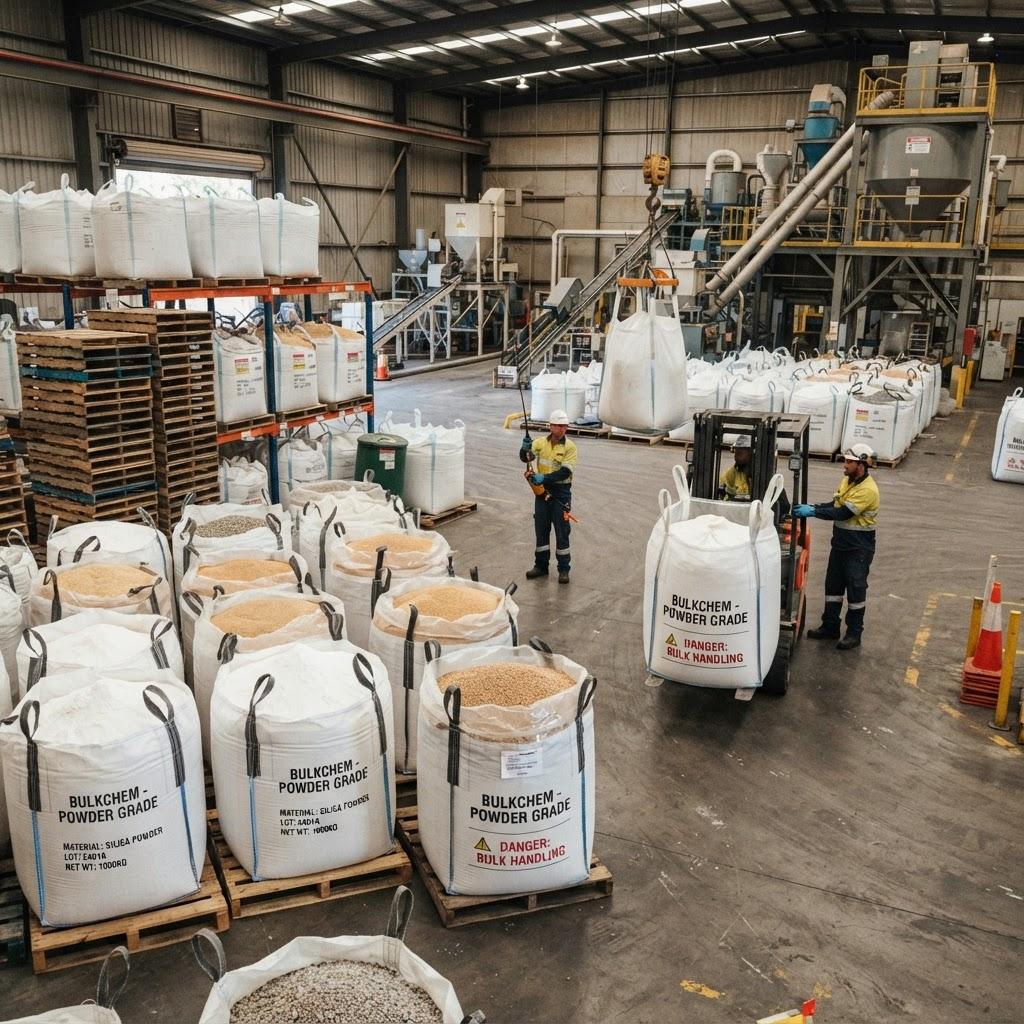
Complete Guide to FIBC Liners for Bulk Packaging
Everything you need to know about selecting and using FIBC liners for safe, efficient bulk product handling and storage.
Complete Guide to FIBC Liners for Bulk Packaging
FIBC (Flexible Intermediate Bulk Container) liners are essential for safely transporting and storing bulk materials. Understanding their selection, types, and proper use is critical for supply chain efficiency, product safety, and regulatory compliance.
What Are FIBC Liners?
FIBC liners are specialized plastic bags designed to fit inside large fabric containers. They create a protective barrier between stored materials and the fabric, preventing moisture absorption, cross-contamination, and material degradation during transport and storage.
Types of FIBC Liners
- Standard Liners: Basic protection for non-hazardous, dry materials like grains, chemicals, powders, and mineral aggregates. Most cost-effective option for general applications.
- Conductive Liners: For static-sensitive or flammable materials requiring grounding. Essential for chemical plants and explosive powder handling.
- Food-Grade Liners: Specially manufactured and certified for food, pharmaceutical, and beverage applications. Meet FDA and international food safety standards.
- Moisture-Barrier Liners: Enhanced protection from humidity and external moisture, ideal for tropical climates and long-distance shipping.
- Anti-Static Liners: Provides static dissipation for sensitive products without conductive pathways.
- UV-Resistant Liners: For outdoor storage and extended sun exposure protection.
FIBC Liner Selection Criteria
- Material Properties: Consider chemical compatibility, puncture resistance, and durability requirements.
- Storage Conditions: Account for temperature, humidity, and environmental exposure during storage.
- Handling Methods: Evaluate forklift handling, stacking, and transport stress factors.
- Regulatory Requirements: Meet food, pharmaceutical, chemical, and environmental standards specific to your industry.
- Cost Considerations: Balance liner cost with product protection value and reuse potential.
- Fill/Discharge System: Match liner specifications to your equipment's filling and discharge requirements.
Benefits of Proper FIBC Liners
- Ensures product integrity and prevents cross-contamination
- Reduces material loss and waste during transport
- Extends FIBC container lifespan through protective lining
- Enables compliance with industry standards and regulations
- Simplifies cleaning and reduces environmental impact
- Maintains consistent product quality from warehouse to end-user
Common Mistakes to Avoid
Selecting undersized liners, ignoring static requirements, and failing to match liner material to contents are common mistakes. Proper specification ensures reliability and prevents costly product loss or contamination.
WrapTech's FIBC Liner Solutions
We manufacture premium FIBC liners customized for your specific application. Our quality assurance ensures every liner meets rigorous standards, providing reliable protection for your valuable cargo.