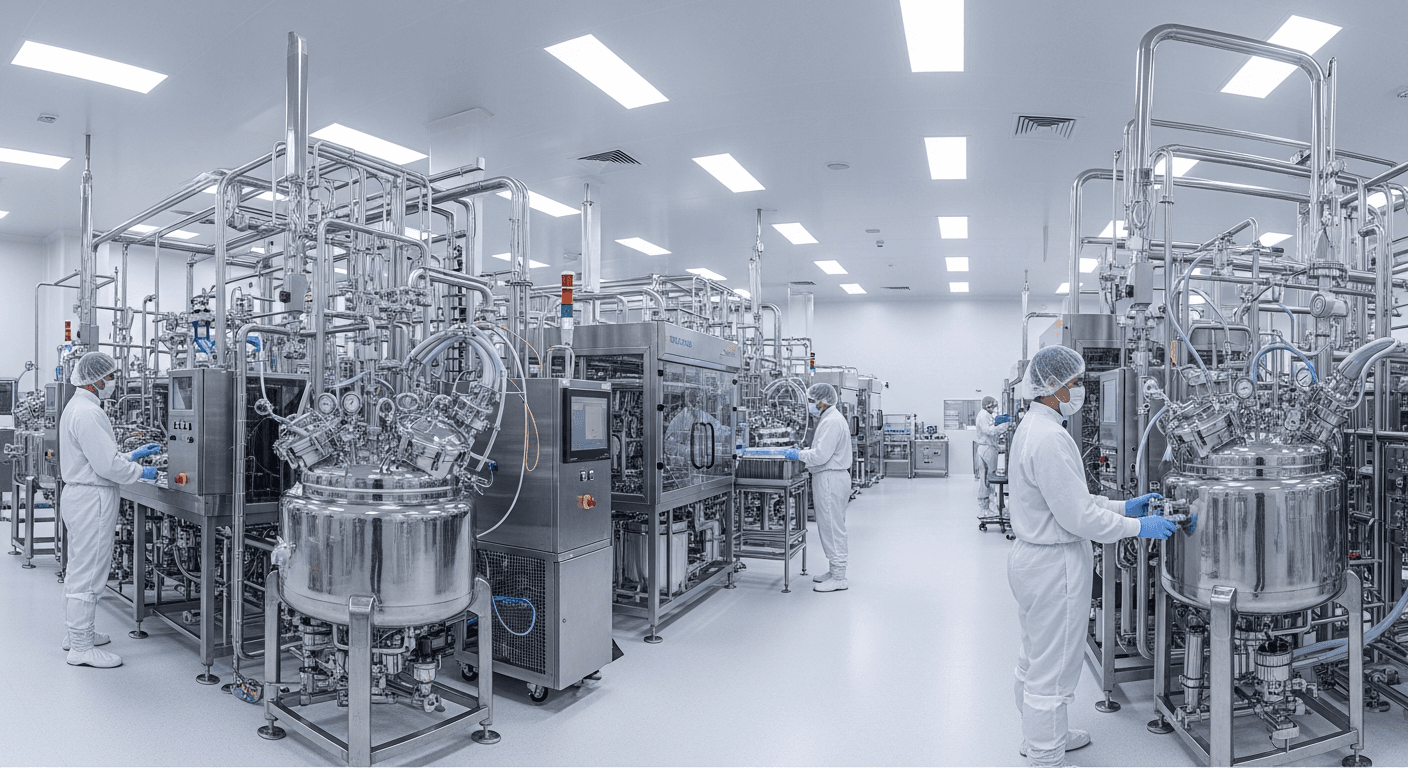

Contamination in pharmaceutical manufacturing is not merely a quality issue — it is a patient safety issue. A contaminated injectable drug or an incorrectly labelled batch can cause serious harm. Regulatory agencies like the US FDA, European EMA, and India's CDSCO enforce strict Good Manufacturing Practice (GMP) standards specifically to prevent these outcomes.
Below are seven core contamination control practices that every pharmaceutical manufacturer should have embedded in their quality system.
1. Establish and Enforce Gowning Protocols
Personnel are the single largest source of contamination in any controlled environment. A rigorously enforced gowning procedure — including full coveralls, masks, gloves, cap, and autoclavable footwear — must be followed every time, by every person, without exception. Gowning procedures should be written, validated, and regularly retrained.
2. Use Validated, Non-Shedding Materials
The garments, mops, and wipes you choose must themselves be non-shedding. A low-cost coverall made from poor-quality non-woven can release fibres into the environment it is meant to protect. Always source consumables from suppliers who can provide material specification data and batch consistency guarantees.
3. Implement Sticky Mat Entry Points
Foot traffic is a major vector for particle ingress. Multi-layer adhesive sticky mats placed at every cleanroom entry point capture particles from shoe soles and cart wheels before they enter the controlled zone. Each layer is peeled away when visibly dirty, exposing a fresh adhesive surface.
4. Schedule Regular Environmental Monitoring
Passive and active air sampling, surface contact plates, and particle counters should form the backbone of your environmental monitoring programme. Trending data over time allows you to catch deteriorating contamination control before it results in a product failure or regulatory observation.
5. Separate Clean and Dirty Corridors
Facility design should ensure that personnel, materials, and waste flow in one direction only — from clean to dirty. Where clean and dirty corridors must cross, airlocks, pressure differentials, and pass-through hatches provide the necessary separation. This is a fundamental GMP design principle that cannot be solved by PPE alone.
6. Train and Requalify All Personnel
Training is not a one-time event. All personnel who access controlled environments should undergo annual requalification on gowning technique, aseptic behaviour, contamination awareness, and emergency procedures. Personnel monitoring data — such as finger-dab plates after gloving — provides objective evidence of gowning effectiveness.
7. Source from Consistent, Verified Suppliers
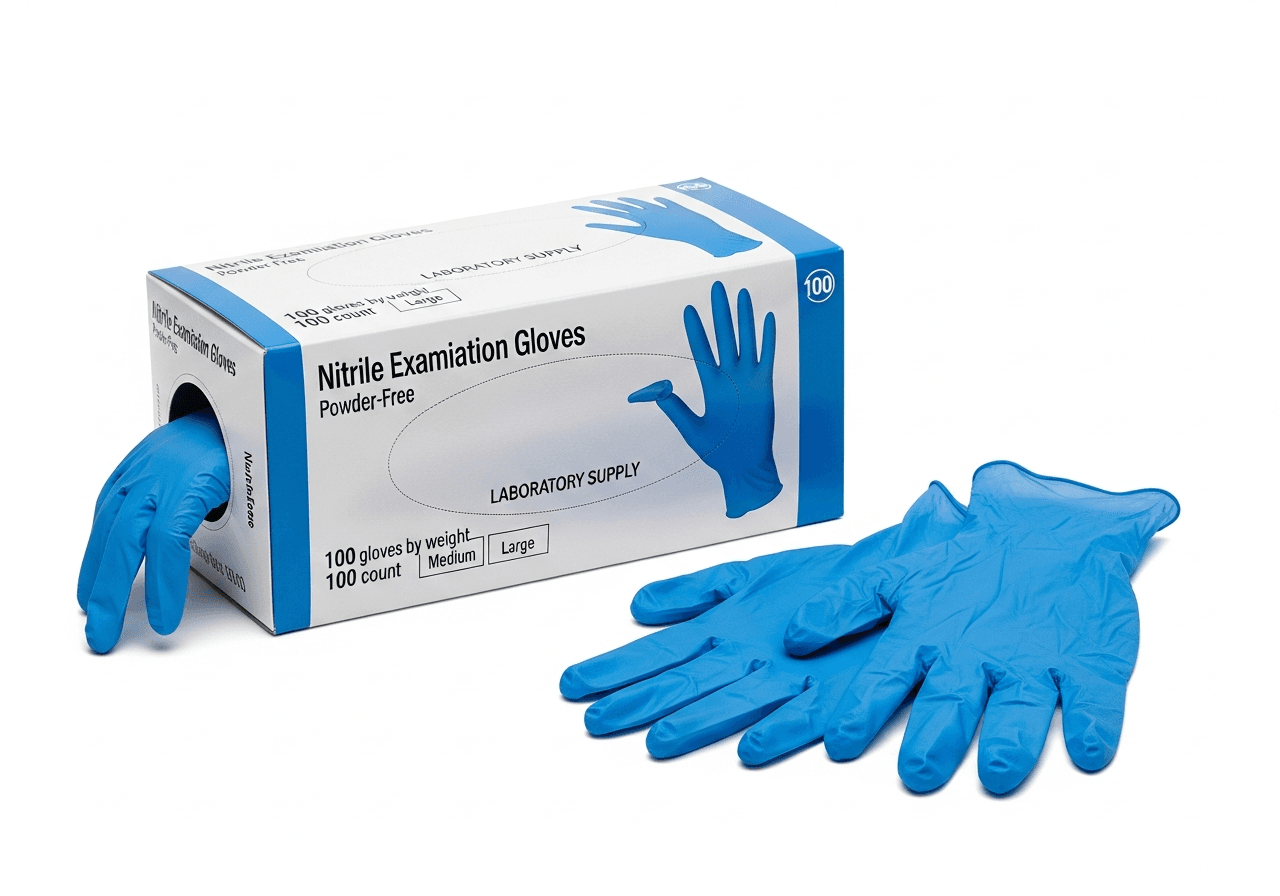
The quality of your contamination control consumables directly impacts your environmental monitoring results. Inconsistency between batches of gloves, garments, or mops can introduce uncontrolled variables into your cleanroom. Establishing a qualified supplier list with specifications for each consumable is a GMP expectation and a practical quality control measure.
Vaishnavi Trading Company has supplied contamination control consumables to pharmaceutical manufacturers, hospitals, and research laboratories across India since 1996. Contact us to discuss your facility's specific needs.