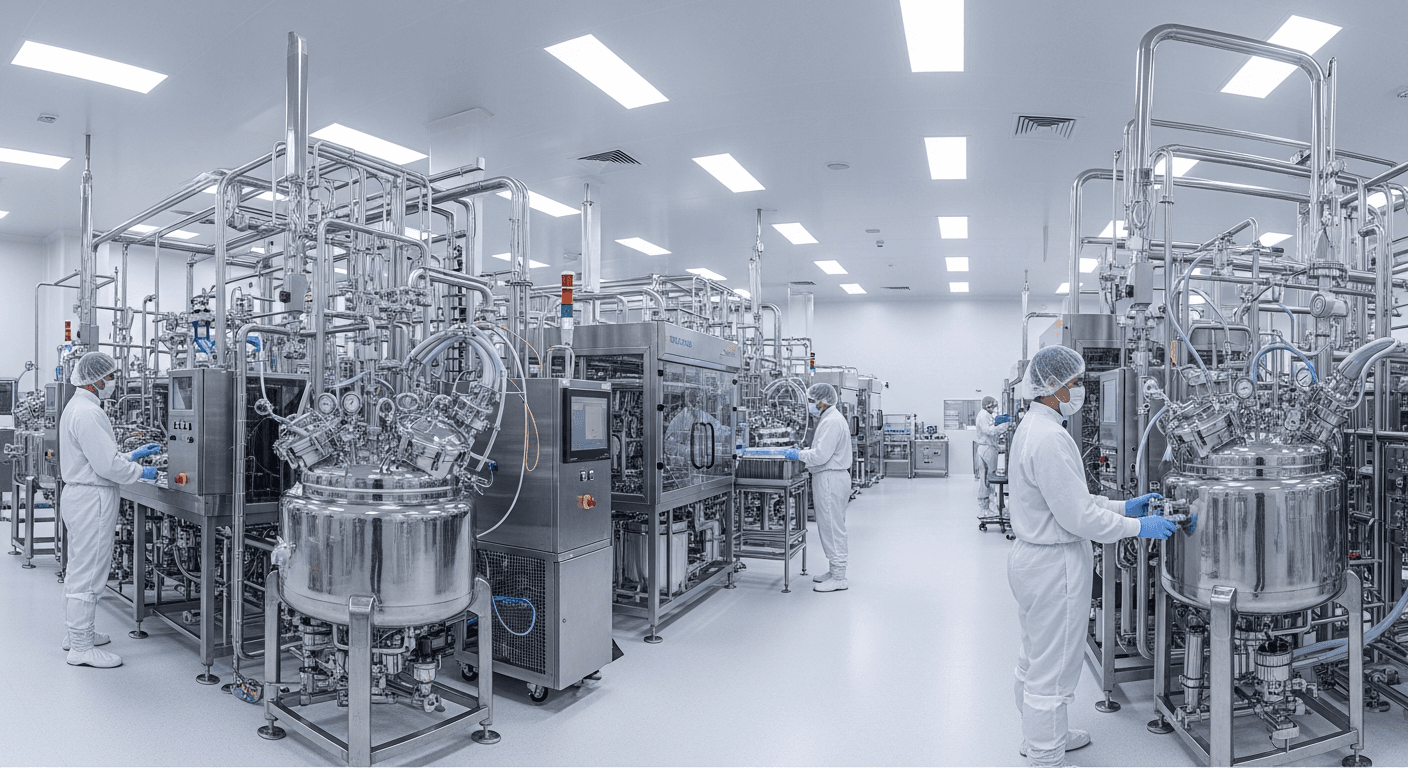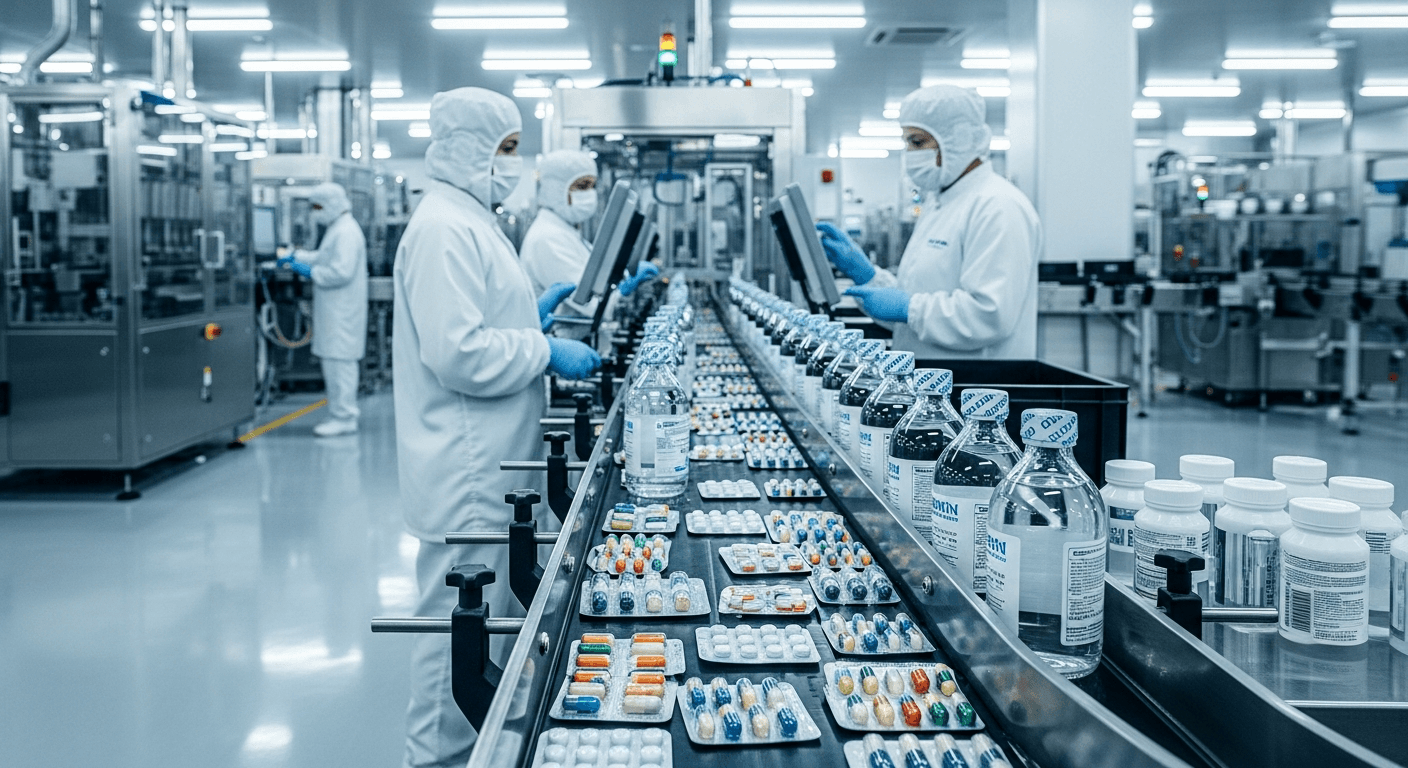
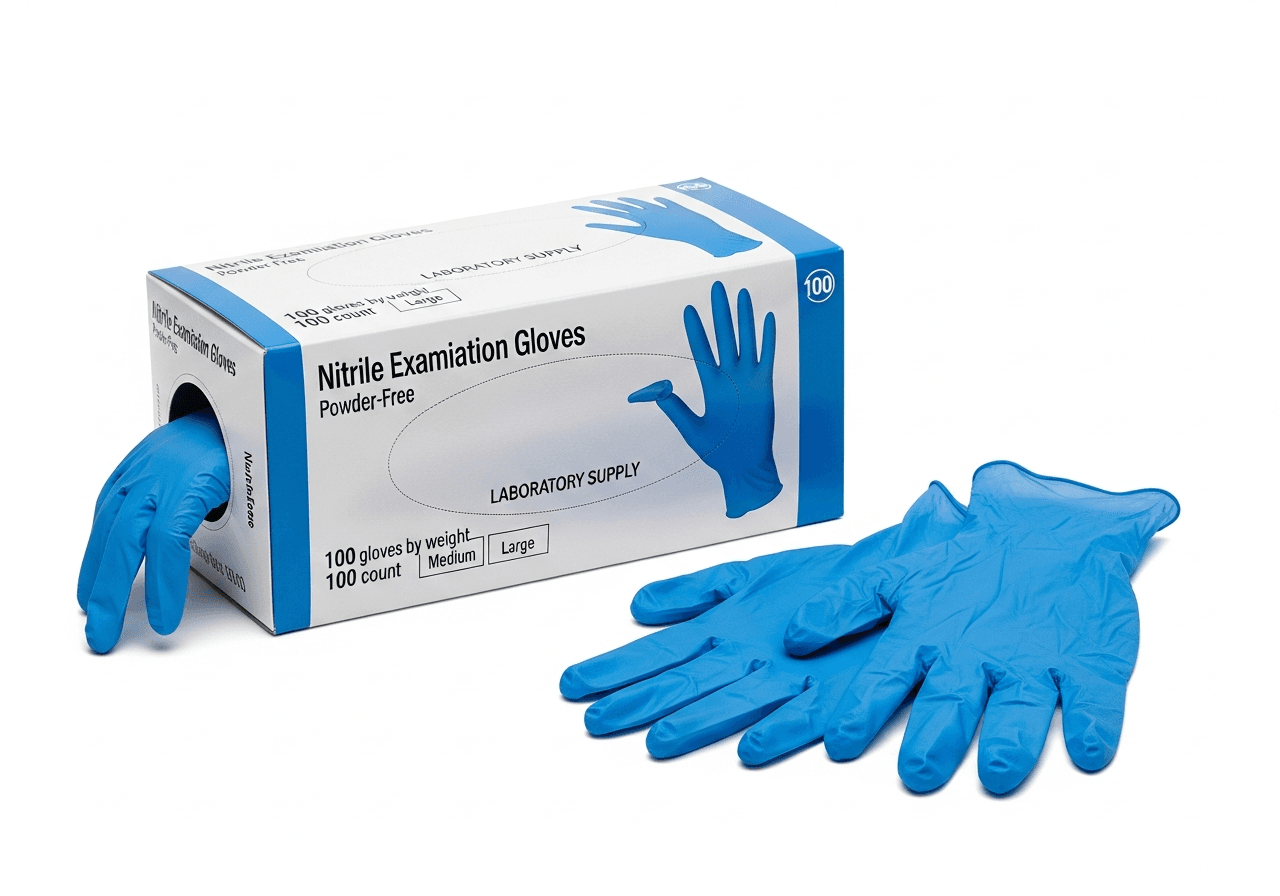
When selecting disposable gloves for laboratory or cleanroom use, the material choice matters far more than most procurement teams realise. Nitrile gloves have emerged as the dominant choice across pharmaceutical manufacturing, medical device assembly, and research laboratories — and for good reason.
Nitrile vs Latex: Why the Shift?
Latex gloves were the industry standard for decades, but their use has declined sharply due to one major problem: Type I latex allergy. This immune response, triggered by natural rubber proteins, can range from contact dermatitis to life-threatening anaphylaxis. As a result, most hospital infection control policies and laboratory safety standards now mandate latex-free zones wherever possible.
Nitrile — a synthetic rubber — contains no natural latex proteins, making it hypoallergenic for virtually all users. It also outperforms latex in several performance dimensions critical to cleanroom and laboratory use.
Key Advantages of Nitrile for Cleanroom and Lab Use
- Chemical resistance — superior barrier against ketones, aldehydes, and many solvents versus latex
- Puncture resistance — approximately three times more puncture-resistant than natural rubber
- Powder-free formulations — eliminating airborne starch contamination in cleanrooms
- Consistent thickness and pinhole rates — critical for ISO cleanroom validation
- High tactile sensitivity — thin-wall nitrile gloves preserve fine-motor dexterity for precision work
- Allergen-free — safe for all personnel without latex sensitisation concerns
What 'Powder-Free' Means and Why It Matters
Powdered gloves use cornstarch to ease donning. In a cleanroom, that powder becomes an airborne contaminant that can settle on products, equipment, and open containers. ISO Class 7 and above environments require powder-free gloves, and many pharmaceutical GMP guidelines now ban powdered gloves entirely. All nitrile gloves supplied by Vaishnavi Trading are powder-free and suitable for cleanroom use.
Choosing the Right Size and Thickness
Gloves that are too large create excess material that can catch on equipment or compromise grip. Gloves that are too tight restrict blood flow and cause fatigue. Most laboratory applications are well served by a 4–6 mil (0.10–0.15 mm) thickness, which balances protection with tactile feel. High-risk chemical handling may require heavier 8 mil gloves.
Vaishnavi Trading supplies powder-free nitrile gloves in sizes XS to XL, in packs of 100 units, suitable for pharmaceutical labs, hospitals, and ISO-classified cleanrooms across India.
Glove Change Frequency
Even the best gloves degrade over time with use. Best practice in pharmaceutical cleanrooms is to change gloves every 30 minutes during aseptic operations, or immediately after contact with any potentially contaminated surface. Double-gloving — wearing two pairs — is standard practice in Grade A/B environments during aseptic processing.