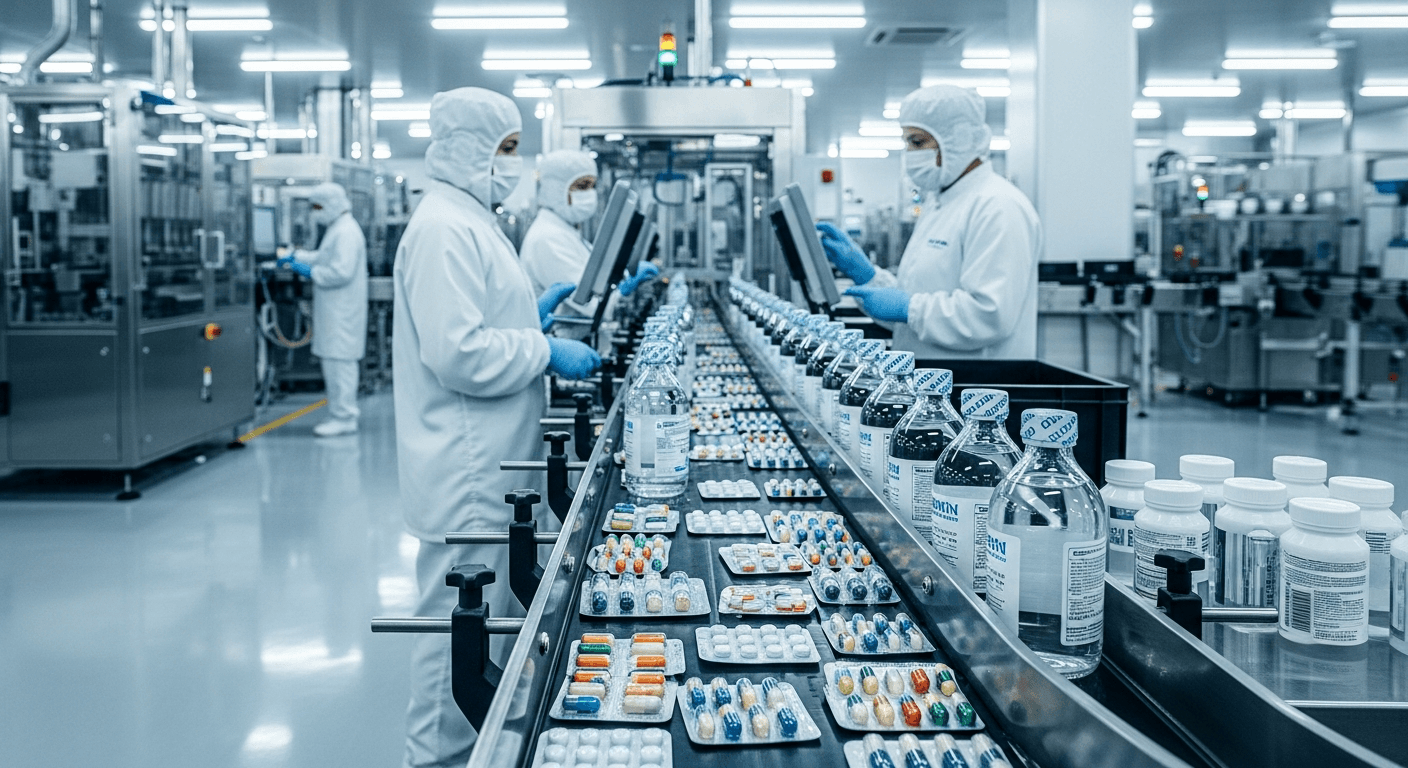
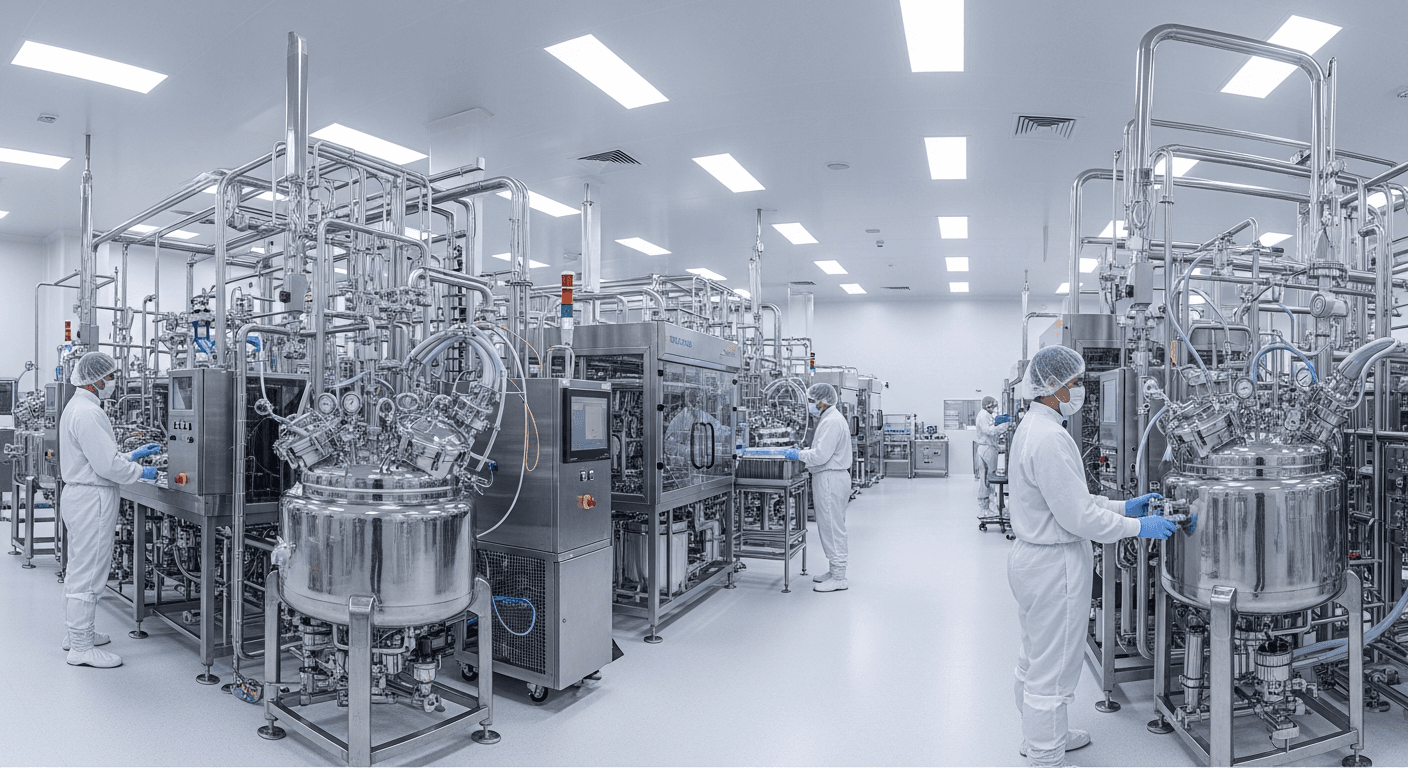
A cleanroom is a controlled environment where the concentration of airborne particulates, temperature, humidity, and pressure are regulated to meet specific standards. Cleanrooms are critical in industries where even microscopic contamination can result in product failure, patient harm, or regulatory non-compliance.
Why Cleanrooms Matter
In pharmaceutical manufacturing, a single contaminated batch can mean recalling thousands of units — or worse, a patient safety incident. In semiconductor fabrication, a single dust particle on a wafer can destroy a chip. Cleanrooms eliminate this risk by tightly controlling the environment through HEPA or ULPA filtration, positive air pressure, and strict personnel protocols.
ISO Cleanroom Classifications
The international standard ISO 14644-1 defines cleanroom classes based on the maximum allowable concentration of particles per cubic metre of air. The most common classifications used in pharma and medical manufacturing are:
- ISO Class 5 (equivalent to US Class 100) — used in aseptic filling areas and open vial processing
- ISO Class 7 (US Class 10,000) — used in general pharmaceutical manufacturing and medical device assembly
- ISO Class 8 (US Class 100,000) — used in support areas such as gowning rooms and corridors
Key Contamination Sources
People are the primary source of contamination in cleanrooms. A human body sheds approximately 30,000–40,000 skin cells per hour, along with bacteria, hair, and clothing fibres. This is why the choice of cleanroom garments, gloves, masks, and footwear is not cosmetic — it is a critical contamination barrier.
- Skin particles and bacteria shed by personnel
- Fibre shedding from standard clothing
- Airborne particles from outside the controlled zone
- Cross-contamination from equipment and surfaces
- Microorganisms from inadequate hand and foot protection
Essential PPE for Cleanroom Entry
Every person entering a cleanroom must follow a gowning protocol. The specific items required depend on the ISO class, but typically include:
- Bouffant or buffen caps to contain hair and scalp particles
- Full-face or surgical masks to prevent respiratory contamination
- Cleanroom coveralls or gowns (antistatic for ISO Class 5 and above)
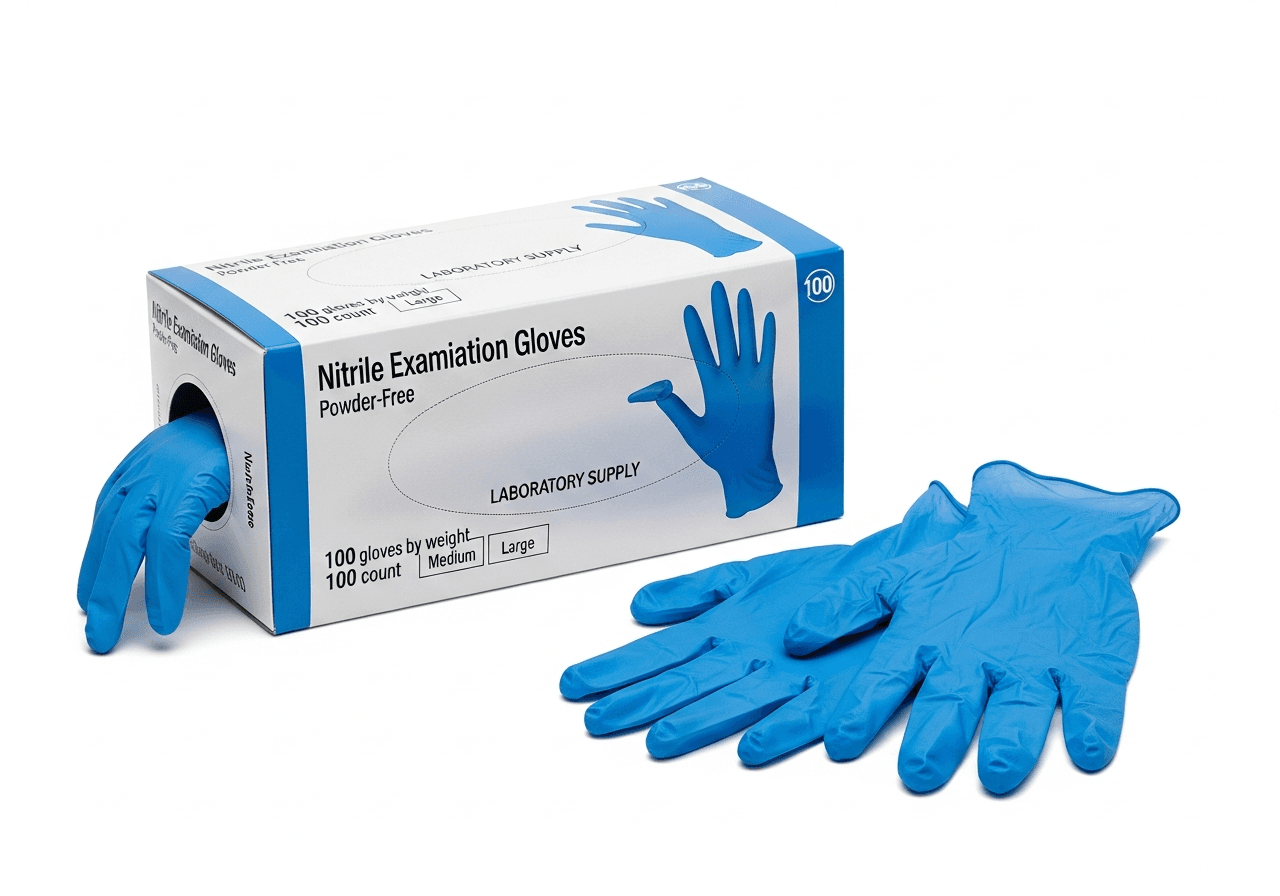
- Nitrile or latex gloves — powder-free for cleanroom use
- Autoclavable or disposable shoe covers at the entry point
- Sticky mats to capture particles from footwear before entry
At Vaishnavi Trading Company, we supply all essential cleanroom consumables — from bouffant caps and face masks to autoclavable clogs and entry sticky mats — directly to pharmaceutical, hospital, and research facilities across India.
Maintaining Cleanroom Integrity
Cleanroom integrity is not maintained by the facility alone — it is a continuous process that depends on trained personnel, validated gowning procedures, regular environmental monitoring, and the quality of consumables used. Low-grade or shedding garments can actually increase particle counts rather than reduce them.
Partnering with a trusted contamination control supplier ensures you receive products that are consistently manufactured to the same material and performance specification — reducing batch-to-batch variability in your contamination data.